Key Takeaways
- A residential system is usually chosen to manage hard water scale in fixtures, water heaters, dishwashers, washing machines, and daily-use plumbing.
- An industrial system must support higher flow, larger pipe sizes, demanding equipment, and long operating hours.
- ScaleBlaster is a salt-free water conditioner and electronic descaler, not a traditional salt-based softener or water filter.
A comparison of water softeners can be confusing because many products are described with similar terms. Homeowners, facility managers, and plant teams may all want fewer hard water problems, but their systems are not the same.
A home usually needs a practical way to manage scale in plumbing, fixtures, and appliances. A factory, hotel, school, hospital, or commercial property may need a larger solution for boilers, chillers, cooling towers, pumps, and high-use piping.
ScaleBlaster helps both types of users manage limescale without salt, chemicals, filters, or ongoing maintenance. It is a water conditioner and electronic water descaler that helps prevent new scale from forming and can even lead to existing buildup gradually reducing over time.
What Traditional Water Softeners Do
A traditional water softener uses salt and ion exchange to remove calcium and magnesium from water. That process can reduce hardness, but it also requires salt refills, system care, and discharge from the regeneration cycle.
This matters in a comparison of water softeners because softening and descaling are not the same. Softening removes hardness minerals. Descaling helps manage how those minerals behave so they are less likely to form hard scale on surfaces.
ScaleBlaster does not remove calcium or magnesium. Instead, it uses electronic signal technology to influence how hard water minerals crystallize, helping them stay suspended in the water rather than bonding to pipes and equipment.
Residential Needs Are Usually About Daily Use
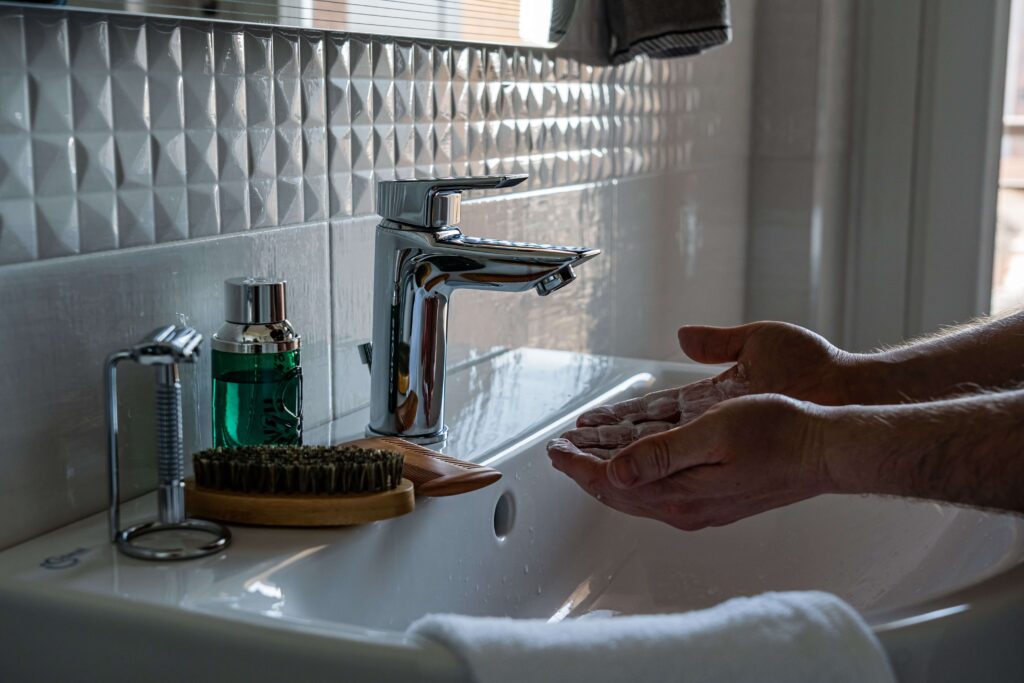
For homeowners, a comparison of water softeners often starts with visible signs. White buildup on faucets, cloudy spots on shower glass, reduced flow from shower heads, and scale around appliances are common problems.
A water descaler for home is designed for these everyday hard water concerns. It can help protect water heaters, dishwashers, washing machines, faucets, shower heads, and other water-contact surfaces from new scale buildup.
The main goal at home is usually simple. Homeowners want less limescale, fewer salt bags, lower upkeep, and a system that works in the background without changing the plumbing more than needed.
Industrial Needs Are About System Performance
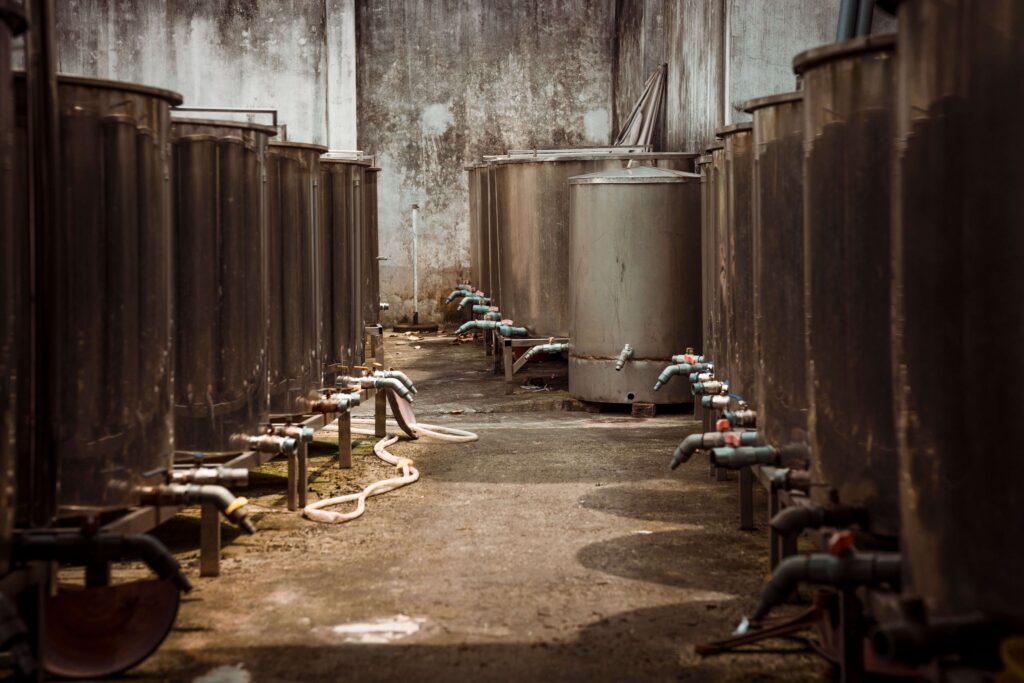
Industrial and commercial properties have different demands. An industrial descaling system may need to support large pipes, long run times, higher water use, and equipment that is expensive to repair or shut down.
In an industrial setting, scale can affect heat transfer, water flow, pump performance, and maintenance schedules. Scale in boilers, chillers, cooling towers, process lines, and HVAC systems can create added strain across the whole operation.
That is why a comparison of water softeners for industrial use should focus on more than water feel. The better question is how the system supports uptime, flow, equipment protection, and long-term operating control.
Salt, Chemicals, Filters, and Maintenance
Maintenance is one of the biggest differences between system types. Salt-based softeners need salt; it’s in the name, after all. Some chemical treatments need regular dosing. Filters need replacement. These needs can become more costly as water use increases.
ScaleBlaster is built for users who want hard water scale management without those ongoing inputs. A water descaler for home can help homeowners avoid salt bags and filter changes. A commercial or industrial unit can help facility teams reduce routine scale-related maintenance demands.
This makes the comparison of water softeners more practical. The right choice is not only about purchase price. It is also about labor, service needs, water use, space, and long-term system care.
Installation and System Fit
Residential systems are usually selected by home size, water hardness, and incoming pipe setup. A water descaler for home should be compact, simple to operate, and suited for whole-house scale management.
Industrial systems need a closer review of the application. Pipe size, equipment type, water demand, and operating conditions all matter. ScaleBlaster models are available for residential, commercial, and industrial needs, including systems for pipes up to 40 inches in diameter.
An industrial descaling system should be chosen with the facility’s equipment in mind. Boiler rooms, cooling towers, irrigation lines, hot water systems, and process equipment may all require different planning.
Water Quality Expectations
A careful comparison of water softeners should also set the right expectations. A salt-based softener changes the mineral content of the water. ScaleBlaster does not create the traditional soft water feel because it does not remove calcium or magnesium.
Instead, ScaleBlaster targets the limescale problem. Its electronic signal helps reduce the minerals’ ability to attach to surfaces. Also, over time, existing scale may gradually soften and break down through normal water flow.
For a homeowner, this can mean less buildup on fixtures and better protection for appliances. For an industrial facility, it can help support improved flow, lower scale-related maintenance, and better equipment performance over time and on a broader scale.
Cost Factors to Consider
Cost is not only the amount paid for the unit. A useful comparison of water softeners should include salt, chemicals, service visits, filter changes, repairs, water use, labor, and downtime risk.
For homes, those costs may show up as appliance wear, fixture cleaning, and salt purchases. For commercial or industrial sites, the stakes can be higher because scale can affect equipment that supports daily operations.
An industrial descaling system can help reduce repair and maintenance costs tied to hard water scale. The value depends on the application, water conditions, system design, and how much scale has already developed in the system.
Which Option Makes Sense for Your Property?
If you want the feel of traditionally softened water, a salt-based softener may be the type of system you are considering. But you’ll have to plan around material replenishment and waste. If your main goal is scale control without salt, chemicals, filters, or ongoing maintenance, ScaleBlaster is a much better choice
A water descaler for home is usually best for homeowners who want a salt-free water softener alternative for everyday hard water scale. It supports whole-house limescale management without adding sodium to the water.
An industrial descaling system is suited for facilities where scale can affect equipment life, water flow, operating costs, and maintenance planning. The system should be matched to the pipe, application, and site conditions, and carefully planned.
ScaleBlaster for Residential and Industrial Scale Control
ScaleBlaster has been in business since 1995 and serves residential, commercial, and industrial users in the U.S. and internationally. Its technology is designed for long-term scale management in many hard water applications.
For homeowners, ScaleBlaster offers a practical water descaler for home use. For facilities, it offers options that can support larger systems, including commercial water conditioning and industrial applications.
The best comparison of water softeners is not just about labels. It is about how each system treats hard water scale, what it requires to keep working, and whether it fits the property’s real needs.
Frequently Asked Questions
What is the main difference between residential and industrial descaler systems?
Residential systems are usually selected for home plumbing, fixtures, and appliances. Industrial systems are designed around larger water demands, pipe sizes, equipment types, and operating needs.
Is ScaleBlaster a water softener?
ScaleBlaster is not a traditional salt-based water softener. It is an electronic water conditioner and descaler that helps prevent new limescale from forming while helping existing buildup gradually reduce over time.
How do I choose between a home unit and an industrial unit?
Choose based on the application, pipe size, water demand, equipment type, and scale concerns. A home system is built for household use. A commercial or industrial model should be selected for larger systems and facility equipment.

Founder and Co-Owner of Clearwater Enviro Technologies
Jeff Conway is the founder and co-owner of Clearwater Enviro Technologies, which opened in 1989 from the city it started from – Clearwater, Florida. The first product line was the Clearwater Pool Systems with Apollo 11 astronaut Buzz Aldrin as it’s company spokesman. In 1995, the electronic water conditioner ScaleBlaster was added to the product line. Jeff was born in Auburn, Indiana but grew up in Fairfield, Connecticut. He is a graduate of Florida Southern College in 1978 and has resided in the Tampa Bay area ever since. Several products have evolved over the years, making the company the largest manufacturer of mineral ionization equipment and electronic water conditioners in the world.